Water Treatment Solutions for Quality
Water treatments are essential processes used to improve water quality for various uses, including drinking, industrial applications, and irrigation. These treatments remove contaminants, sediments, and harmful microorganisms, ensuring water safety and compliance with health standards. Proper timing of water treatments can optimize their effectiveness and extend the lifespan of water systems.
Water treatments are most effective when scheduled during periods of low usage or before peak demand seasons, such as spring or early summer.
Treatments should be planned during mild weather conditions to ensure proper application and avoid disruptions caused by extreme temperatures or storms.
Regular treatment schedules aligned with maintenance cycles help prevent buildup of sediments and biofilms, maintaining water quality year-round.
Monitoring changes in water source quality can determine the best timing for treatments, especially after heavy rainfall or drought periods.
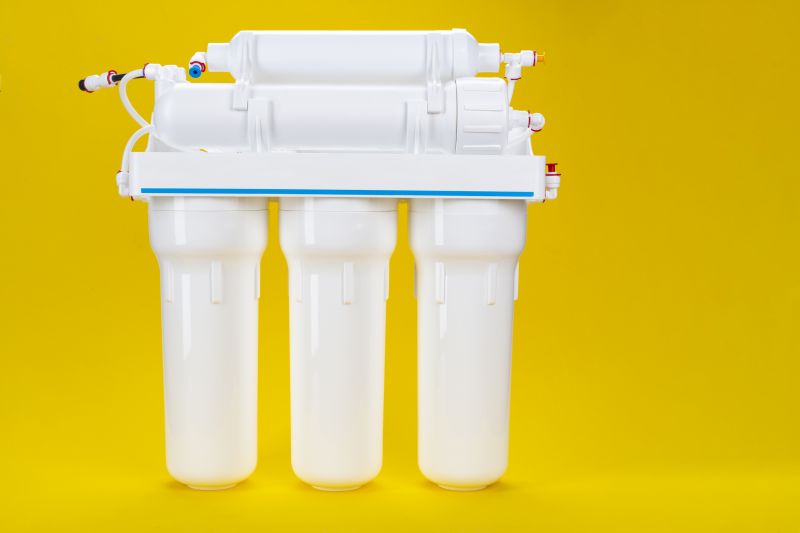
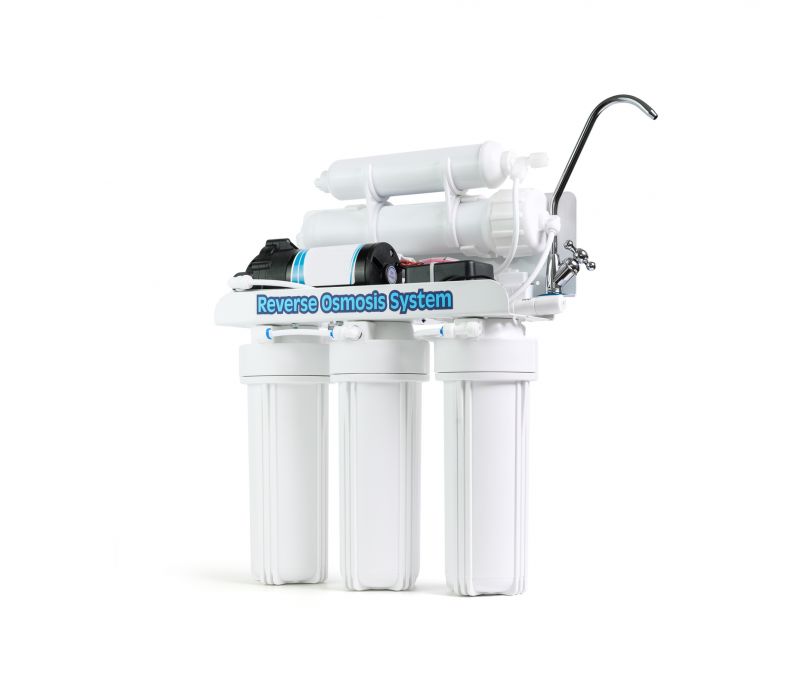
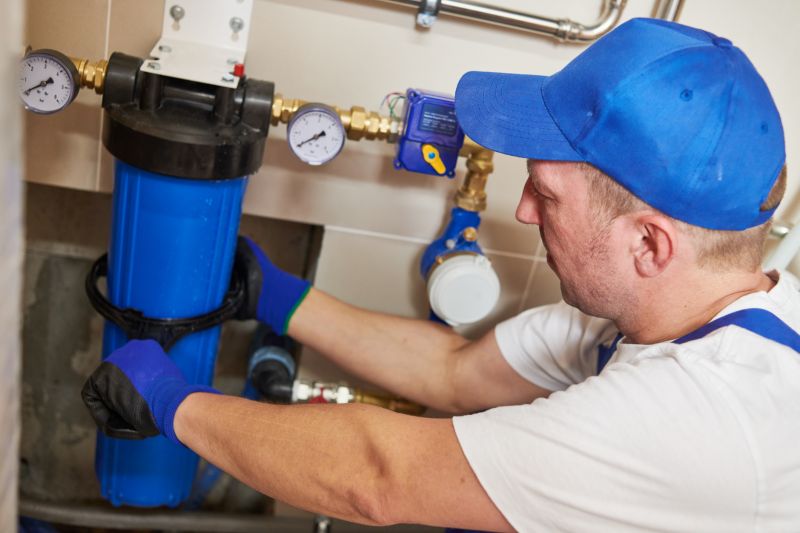
Advanced systems used for filtration, disinfection, and chemical dosing.
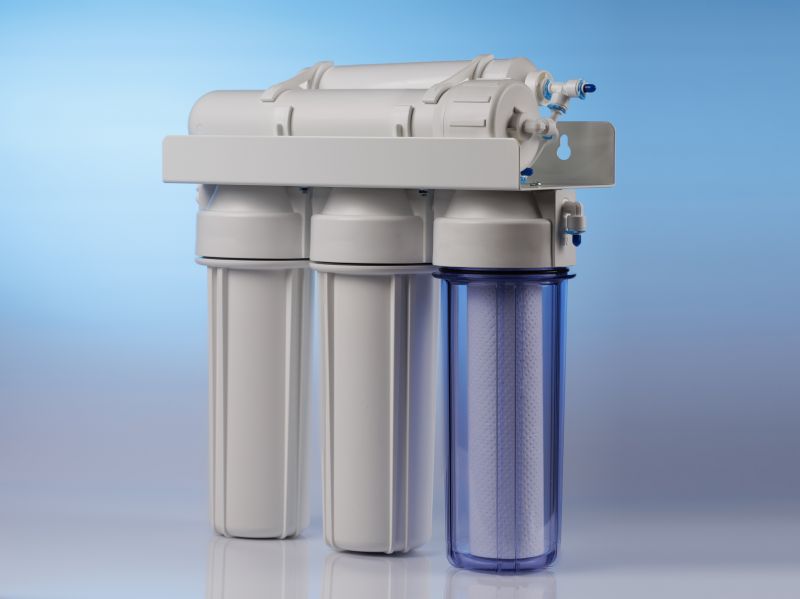
Sampling and analysis to determine optimal treatment timing.
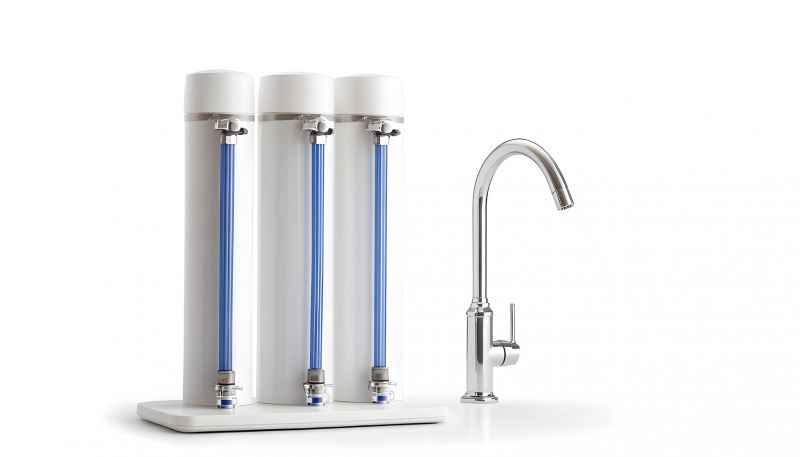
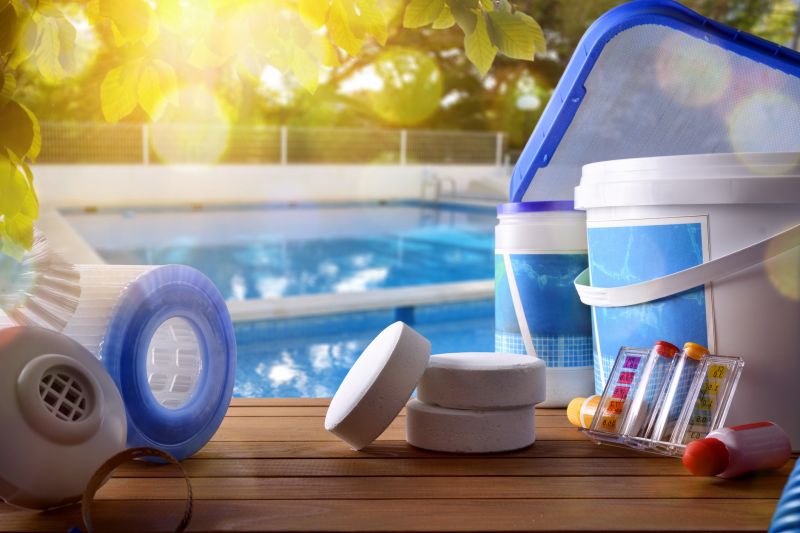
Methods for adding disinfectants and pH adjusters effectively.
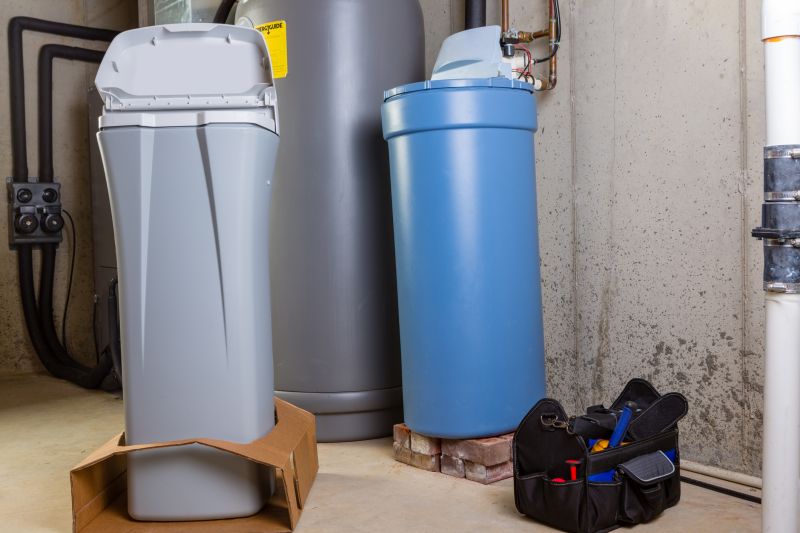
Ways to make Water Treatments work in tight or awkward layouts.
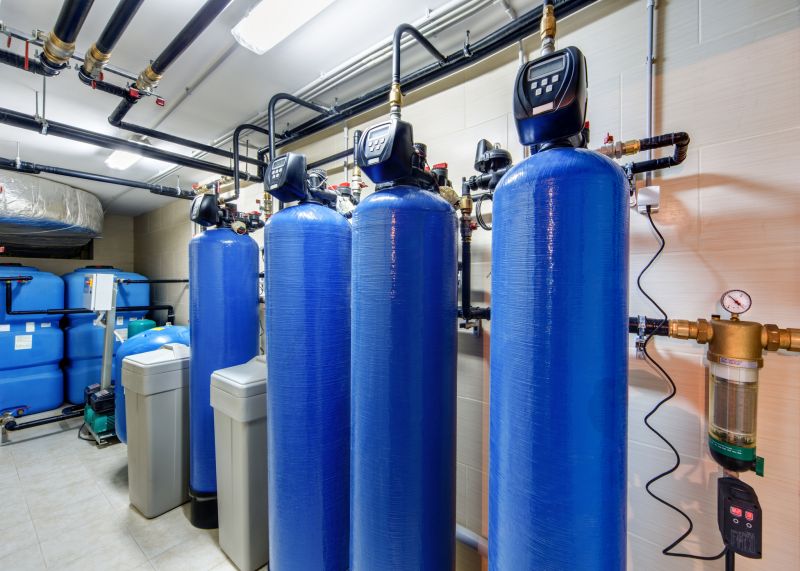
Popular materials for Water Treatments and why they hold up over time.
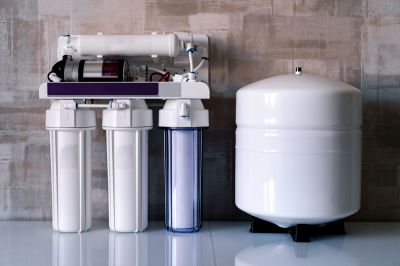
Simple add-ons that improve Water Treatments without blowing the budget.
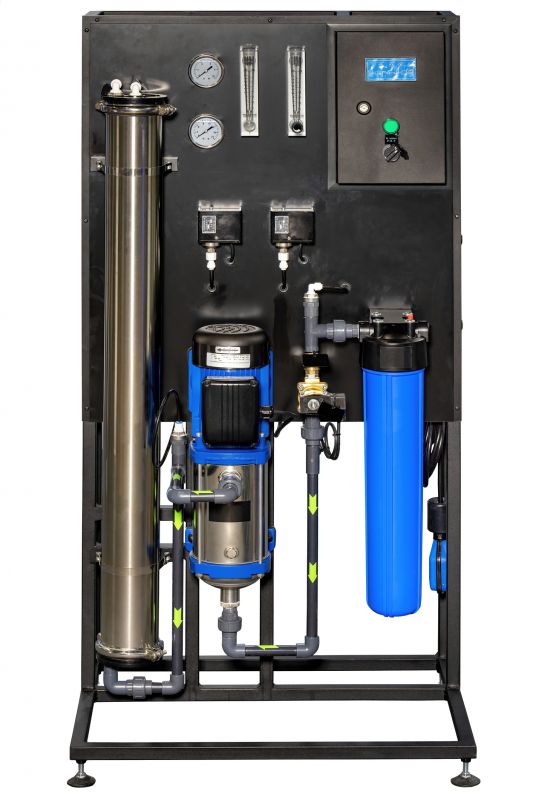
High-end options that actually feel worth it for Water Treatments.
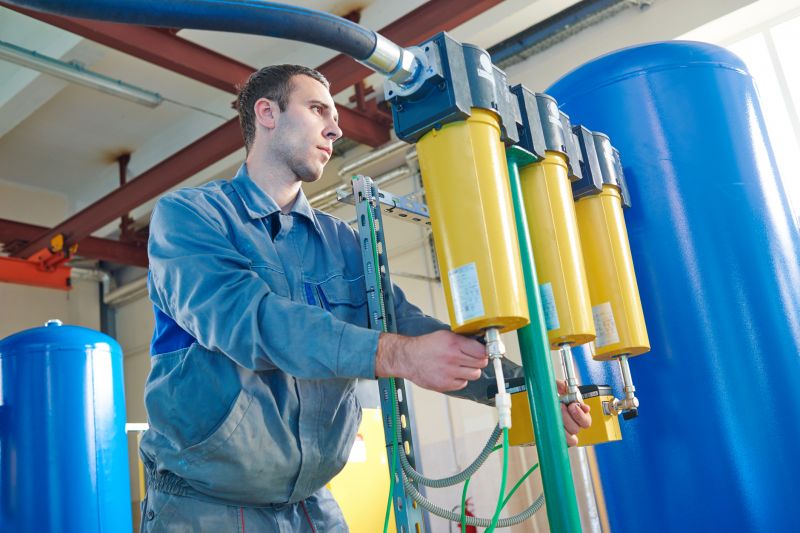
Finishes and colors that play nicely with Water Treatments.
| Best Time for Water Treatments | Key Considerations |
|---|---|
| Spring | Prepares water systems for increased usage and prevents algae growth. |
| Late Summer | Addresses peak demand and potential contamination after heavy rains. |
| Fall | Prepares for winter and reduces microbial buildup. |
| During Low Usage Periods | Ensures minimal disruption and effective application. |
| After Heavy Rainfall | Removes runoff contaminants and sediments. |
Water treatments play a vital role in maintaining water quality and safety. They involve processes such as filtration, chlorination, and pH adjustment, which collectively remove impurities and pathogens. The timing of these treatments impacts their effectiveness, with seasonal adjustments helping to address environmental changes and usage patterns. Regular monitoring and scheduling ensure water systems operate efficiently and meet health standards.
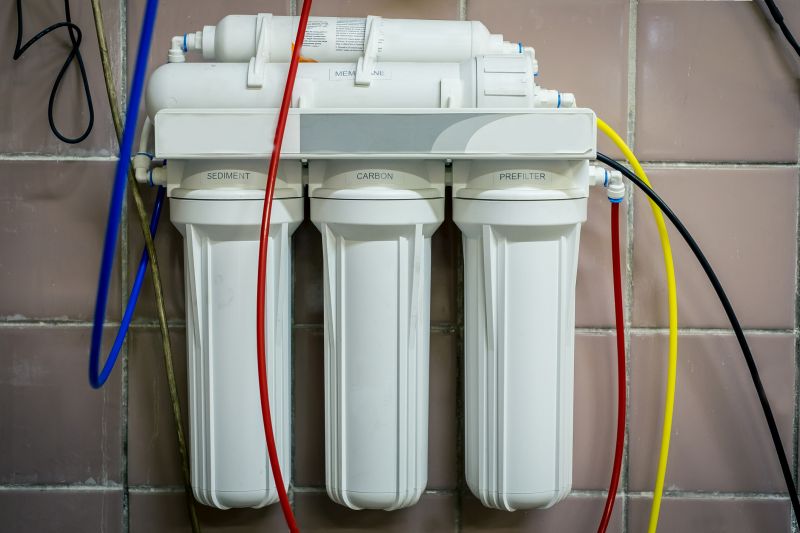
Removes sediments and particulate matter from water sources.
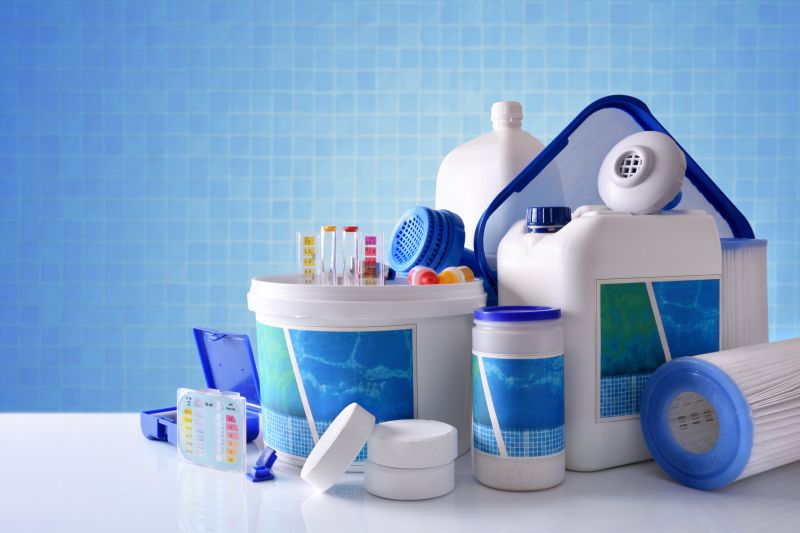
Automated systems for precise chemical application.
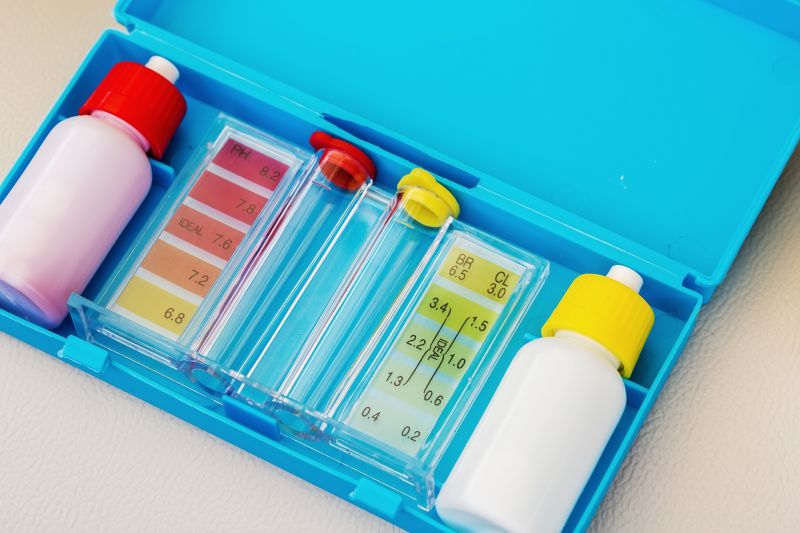
Tools used to assess contaminant levels and treatment effectiveness.
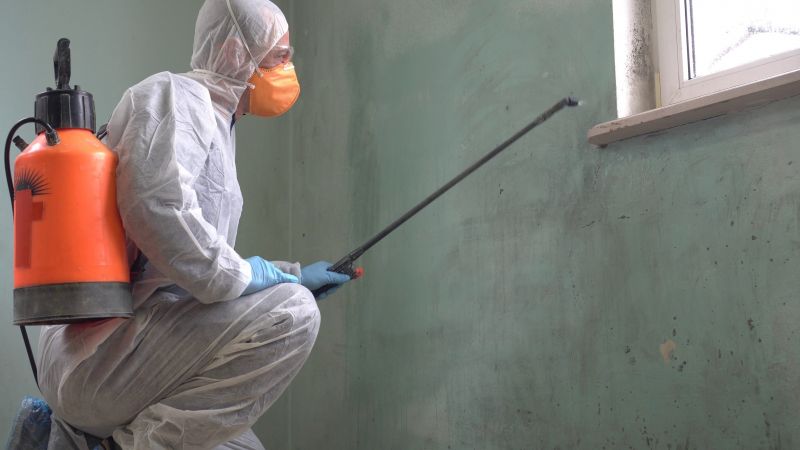
Application of disinfectants to eliminate pathogens.
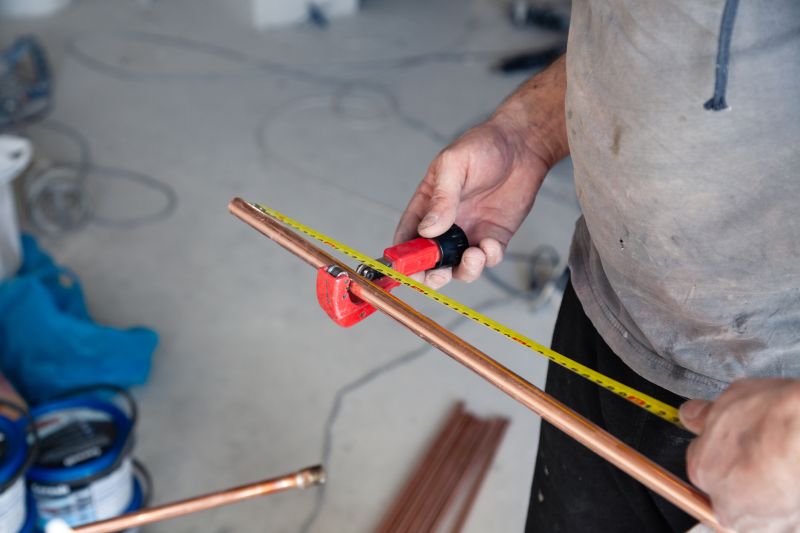
Little measurements that prevent headaches on Water Treatments day.
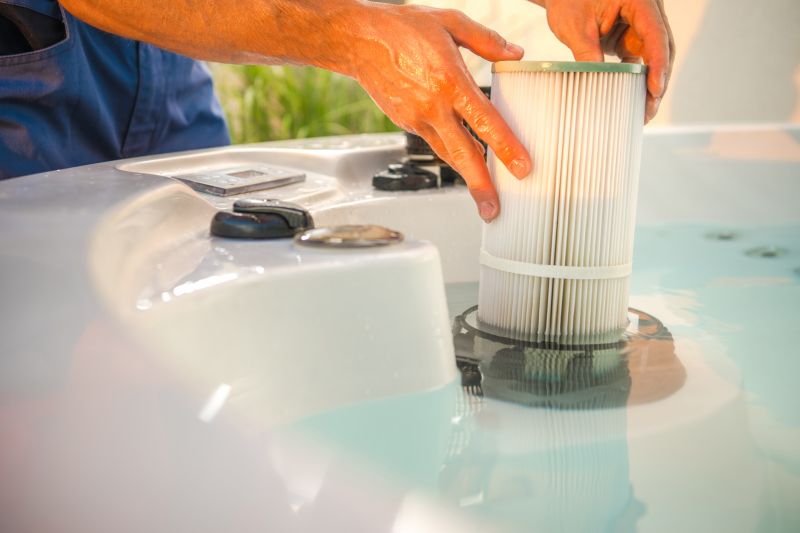
A 60-second routine that keeps Water Treatments looking new.
Scheduling water treatments at appropriate times ensures optimal performance and compliance with health standards. Understanding environmental factors and water source conditions can guide effective treatment planning. Proper timing minimizes operational costs and reduces the risk of waterborne illnesses, making it a critical aspect of water system management.
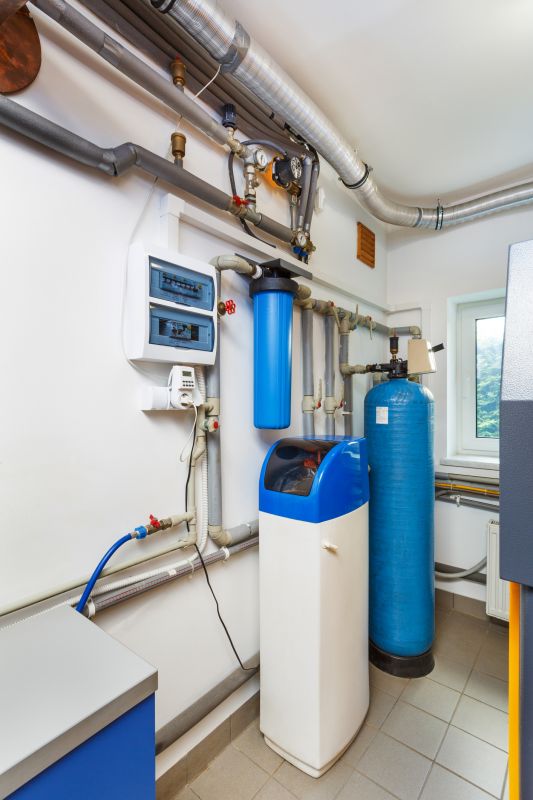
Facility where water purification processes are carried out.
Collecting samples for laboratory analysis.
Secure storage of treatment chemicals.
Network that delivers treated water to consumers.
A frequent mistake in Water Treatments and how to dodge it.
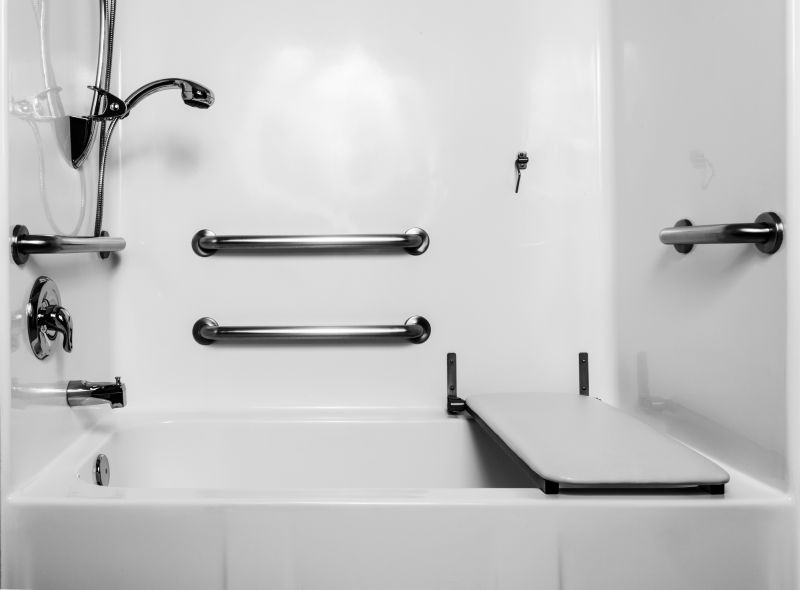
Small tweaks to make Water Treatments safer and easier to use.
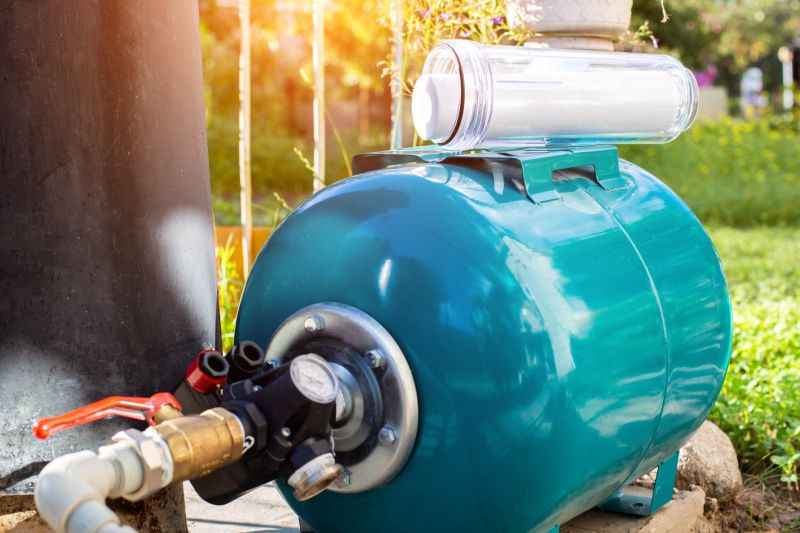
Lower-waste or water-saving choices for Water Treatments.
The short, realistic tool list for quality Water Treatments.
Interested in optimizing your water treatment schedule? Filling out the contact form can provide guidance tailored to specific water quality needs and operational requirements.